Why Structured Cabling Is Essential for Modern Business Infrastructure
In today’s hyper-connected world, businesses rely heavily on seamless communication, data transfer, and digital operations. At the heart of this digital ecosystem lies a critical but often overlooked component: structured cabling. Far more than just wires and connectors, structured cabling is the backbone of a reliable, scalable, and efficient IT infrastructure.
What Is Structured Cabling?
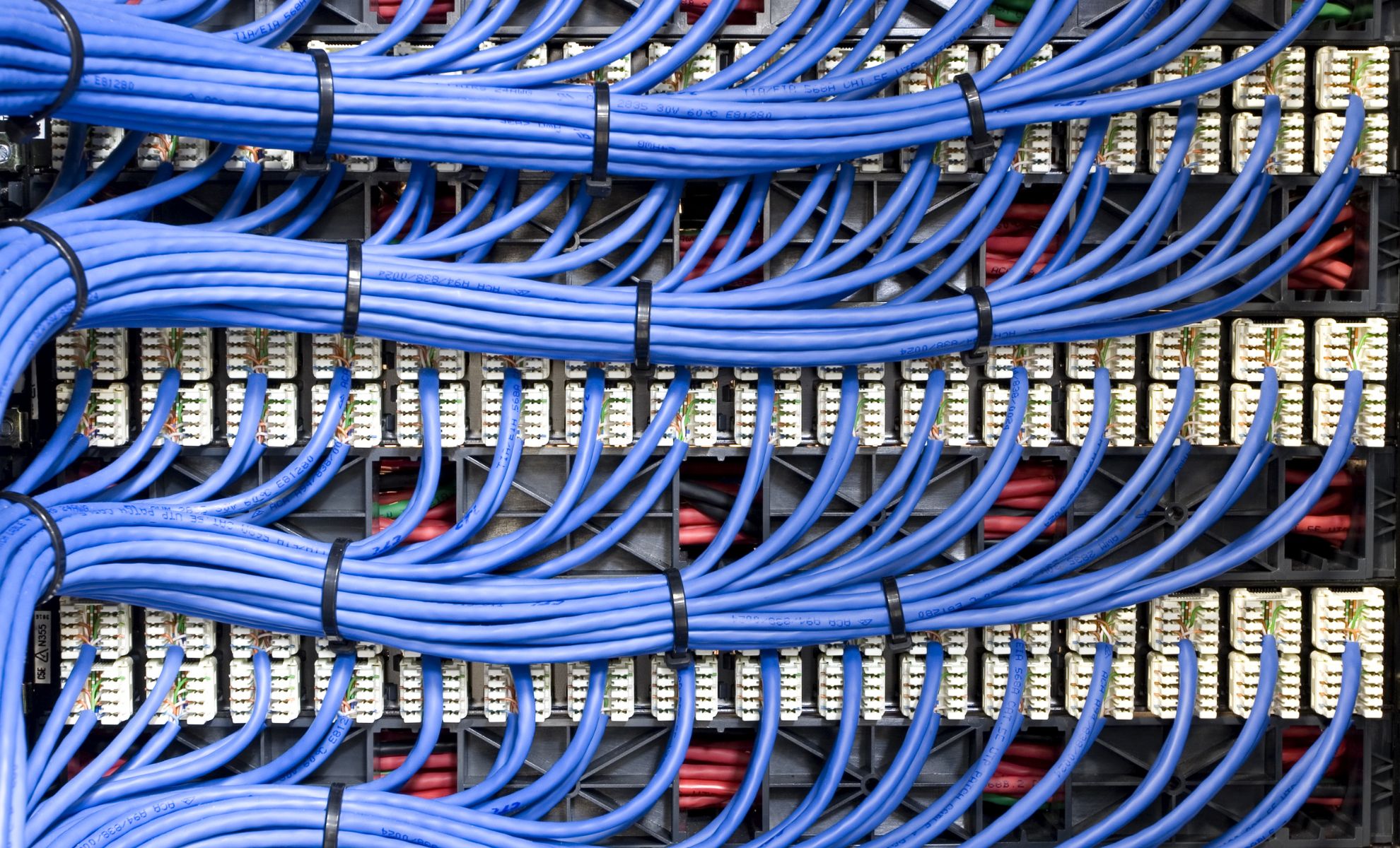
Structured cabling refers to a standardised system of cables, connectors, and hardware that provides a comprehensive telecommunications infrastructure. It supports a wide range of uses, including data transmission, voice communication, video conferencing, and building management systems.
Unlike point-to-point cabling, which can become messy and difficult to manage, structured cabling is organised into subsystems such as entrance facilities, equipment rooms, backbone cabling, and horizontal cabling. This modular approach simplifies maintenance and upgrades.
Why Structured Cabling Matters
1. Scalability and Flexibility
As businesses grow and evolve, so do their technology needs. Structured cabling systems are designed to accommodate future expansions without major overhauls. Whether you’re adding new workstations, upgrading servers, or integrating IoT devices, structured cabling makes it easy to scale.
2. Reduced Downtime
Disorganised cabling can lead to network errors, signal interference, and extended troubleshooting times. Structured cabling minimises these risks by providing a clear and organized layout, making it easier to identify and resolve issues quickly.
3. Improved Performance and Reliability
High-quality structured cabling ensures consistent performance across all connected devices. It supports high bandwidth and fast data transmission, which is essential for cloud computing, video conferencing, and other bandwidth-intensive applications.
4. Cost Efficiency
While the initial investment in structured cabling may be higher than ad-hoc solutions, it pays off in the long run. Reduced maintenance costs, faster troubleshooting, and easier upgrades contribute to significant savings over time.
5. Aesthetic and Safety Benefits
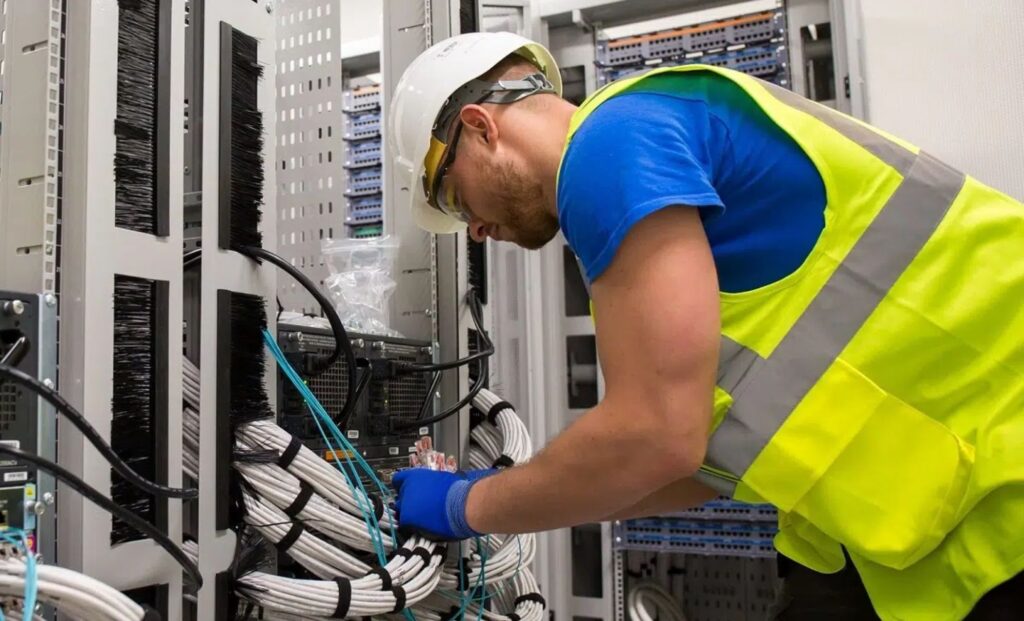
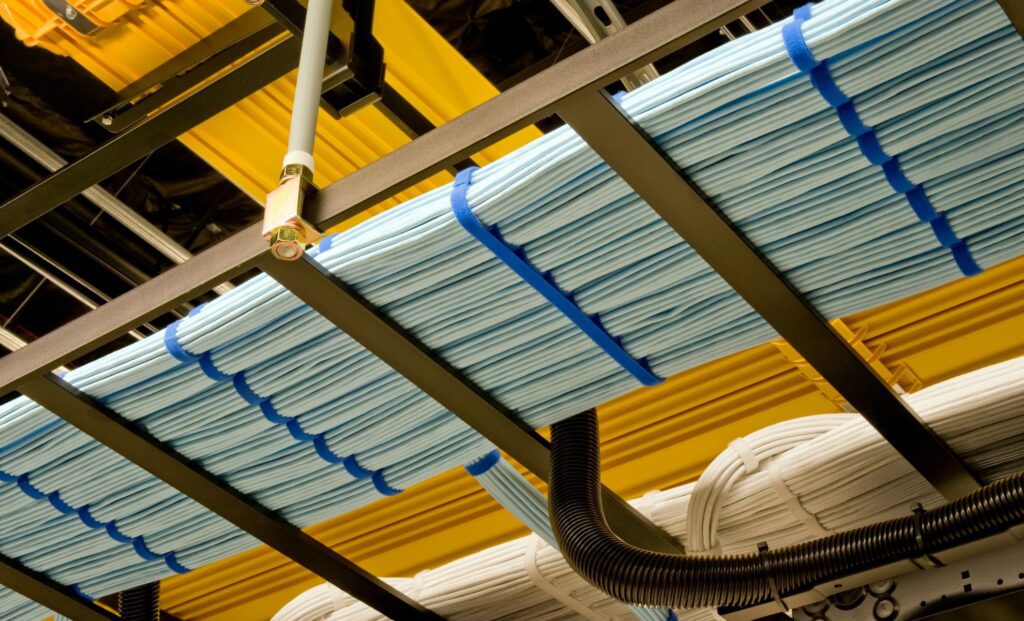
Neatly arranged cables not only look professional but also reduce the risk of accidents and fire hazards. Structured cabling helps maintain a clean and safe working environment, especially in data centres and server rooms.
6. Support for Emerging Technologies
Structured cabling provides the foundation for integrating advanced technologies such as 5G, smart building systems, and AI-driven analytics. It ensures your infrastructure is future-ready and capable of supporting innovation.
Structured cabling is more than a technical necessity—it’s a strategic asset. It empowers businesses to operate efficiently, adapt quickly, and stay competitive in a fast-changing digital landscape. Investing in structured cabling today means building a resilient and agile infrastructure for tomorrow.
Onnec’s Structured Cabling Services
As a global leader in structured cabling, we bring over 35 years of expertise to designing and deploying cabling systems that meet your business needs—today and into the future.
Whether it’s in your data centre, office, or industrial space, no matter the size of the project, we deliver on time, within budget, and to the highest industry standards. Our highly skilled teams bring a unique breadth of end-to-end connectivity expertise, enabling us to fully understand the demands on your entire cabling infrastructure. Our services include: site survey, design specifications, procurement, project management, installation, testing and support services.